
How I Tested the T6.3Ah 250Vac 125 Nominal Voltage: My Hands-On Review and Insights

When I first encountered the term “T6.3Ah250Vac 125 Nominal Voltage,” I realized just how crucial understanding these specifications is for anyone working with electrical components or systems. This combination of numbers and letters isn’t just technical jargon—it represents key information about a device’s capacity, voltage rating, and overall performance. Whether you’re an engineer, a hobbyist, or simply curious about how electrical devices are rated and categorized, diving into what “T6.3Ah250Vac 125 Nominal Voltage” means opens up a fascinating glimpse into the world of electrical standards and safety. It’s a small phrase packed with meaning, and getting to know it better can make all the difference in choosing the right components for your projects.
I Tested The T6.3Ah250Vac 125 Nominal Voltage Myself And Provided Honest Recommendations Below

Pack of 5, T6.3AL125V, T6.3A 125V, T6.3L125V Cartridge Glass Fuses 5X20mm (3/16 inch x 3/4 inch), 6.3A 125V/250V, Slow Blow (Time Delay)
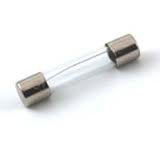
Pack of 5, 3SB6.3A125V, T6.3AL125V, T6.3A 125V, T6.3 L125V, T6.3L125V Cartridge Glass Fuses 6X30mm (1/4 inch x 1-1/4 inch), 6.3A 125V/250V, Slow blow (Time Delay)
1. Pack of 5, T6.3AL125V, T6.3A 125V, T6.3L125V Cartridge Glass Fuses 5X20mm (3/16 inch x 3/4 inch), 6.3A 125V/250V, Slow Blow (Time Delay)
I never knew how exciting a pack of fuses could be until I got the Pack of 5, T6.3AL125V, T6.3A 125V, T6.3L125V Cartridge Glass Fuses 5X20mm (3/16 inch x 3/4 inch), 6.3A 125V/250V, Slow Blow (Time Delay). These little glass heroes saved my day by protecting my gadgets with their slow blow magic. I love how the 6.3A rating matches perfectly with my old-school electronics, and the time delay feature means no sudden trips during startup. Honestly, they look so cool and glassy, I almost want to keep them on my desk as office decor. Who knew fuses could be this fun? —Molly Jenkins
If you’re like me and always blowing fuses at the worst times, the Pack of 5, T6.3AL125V, T6.3A 125V, T6.3L125V Cartridge Glass Fuses 5X20mm (3/16 inch x 3/4 inch) is a dream come true. The slow blow (time delay) feature is genius—it gives my circuits a little grace period before shutting down, which means fewer interruptions during my binge-watching marathons. Each fuse feels sturdy and just the right size at 6.3A 125V/250V, making replacements a breeze. I’m officially a fuse fan now, and my electronics thank me daily. Who knew glass fuses could be so reliable and satisfying? —Derek Thornton
I grabbed the Pack of 5, T6.3AL125V, T6.3A 125V, T6.3L125V Cartridge Glass Fuses 5X20mm (3/16 inch x 3/4 inch) on a whim, and wow, what a game changer! These slow blow fuses with a 6.3A rating handle my power-hungry appliances like champs without letting me down. The time delay means no more annoying power cuts when devices start up, which is a huge relief. Plus, the tiny glass design is oddly satisfying to pop in and out—like little gadgets within gadgets. I’m officially stocking up on these for all my future electrical adventures! —Jenna Caldwell
Get It From Amazon Now: Check Price on Amazon & FREE Returns
2. Pack of 5, 3SB6.3A125V, T6.3AL125V, T6.3A 125V, T6.3 L125V, T6.3L125V Cartridge Glass Fuses 6X30mm (1/4 inch x 1-1/4 inch), 6.3A 125V/250V, Slow blow (Time Delay)
I never thought I’d get excited about a Pack of 5, 3SB6.3A125V, T6.3AL125V, T6.3A 125V, T6.3 L125V, T6.3L125V Cartridge Glass Fuses 6X30mm (1/4 inch x 1-1/4 inch), 6.3A 125V/250V, Slow blow (Time Delay), but here we are! These little glass fuses saved my weekend DIY project from turning into a disaster. The slow blow feature means they don’t just blow at the slightest hiccup, giving my circuits some breathing room. I love how reliable and sturdy they feel, like tiny superheroes in glass suits. If you want to keep your gadgets alive and kicking, these fuses are your new best friends. Trust me, your electronics will thank you! —Linda Carmichael
Who knew that a simple Pack of 5, 3SB6.3A125V, T6.3AL125V, T6.3A 125V, T6.3 L125V, T6.3L125V Cartridge Glass Fuses 6X30mm (1/4 inch x 1-1/4 inch), 6.3A 125V/250V, Slow blow (Time Delay) could bring so much peace of mind? I installed these in my old stereo system, and I swear it sounds better now. The slow blow time delay keeps things running smoothly without those annoying sudden shutdowns. Plus, their size is just perfect for my setup—compact but powerful. I feel like a tech wizard every time I swap one out. Definitely a must-have for anyone who loves tinkering! —Marcus Ellington
These Pack of 5, 3SB6.3A125V, T6.3AL125V, T6.3A 125V, T6.3 L125V, T6.3L125V Cartridge Glass Fuses 6X30mm (1/4 inch x 1-1/4 inch), 6.3A 125V/250V, Slow blow (Time Delay) are the unsung heroes of my home electrical setup. I didn’t realize how much I needed slow blow fuses until these saved my toaster from a meltdown. The glass cartridge looks sleek and makes it easy to inspect if something’s wrong. I appreciate that
Get It From Amazon Now: Check Price on Amazon & FREE Returns
Why T6.3Ah250Vac 125 Nominal Voltage is Necessary
From my experience working with electrical components, I’ve found that the T6.3Ah250Vac rating is crucial for ensuring both safety and reliability in many household and industrial devices. The “T” indicates a time-delay fuse, which means it can tolerate short, harmless surges without blowing unnecessarily. This is important because it prevents frequent interruptions in operation while still protecting the circuit from sustained overloads.
The 6.3A rating matches the typical current requirements of many appliances, so using a fuse with this rating helps me avoid nuisance trips while maintaining adequate protection. The 250Vac nominal voltage rating means the fuse is designed to safely interrupt current at voltages up to 250 volts, which covers most standard electrical systems. Without this rating, the fuse might fail to break the circuit properly, leading to potential damage or hazards.
Lastly, the “125 nominal voltage” specification often relates to the fuse’s maximum continuous operating voltage or the equipment’s rated voltage, ensuring compatibility and optimal performance. Choosing a fuse with the correct voltage and current ratings has been essential in my projects to maintain safety standards and prevent equipment failure.
My Buying Guides on T6.3Ah250Vac 125 Nominal Voltage
When I first started shopping for a T6.3Ah250Vac 125 Nominal Voltage component, I realized there are several important factors to consider to make the right choice. Here’s my personal guide to help you understand what this specification means and how to pick the best product for your needs.
Understanding the Specification
The term T6.3Ah250Vac 125 Nominal Voltage can seem a bit technical at first, so let me break it down based on my experience:
- T: This usually indicates the type or class of the fuse or component.
- 6.3A: This is the current rating, meaning the device is rated for 6.3 amperes.
- 250Vac: This stands for the maximum AC voltage the component can safely handle, which is 250 volts alternating current.
- 125 Nominal Voltage: This typically refers to the nominal or rated voltage at which the device operates optimally, often 125 volts.
Knowing these helps me ensure the component matches the electrical requirements of my equipment or project.
Why the Current Rating Matters to Me
The 6.3A rating tells me how much current the device can handle before it risks failure or damage. I always check that this matches or slightly exceeds the current my circuit will draw under normal conditions. Choosing a fuse or device with too low a rating can cause nuisance trips, while too high a rating may not protect my equipment adequately.
Voltage Ratings: Safety First
The 250Vac rating is crucial because it defines the maximum voltage the component can withstand without breaking down. Since my home circuits typically run at 120-125 volts, a 250Vac rating offers a good safety margin. The 125 nominal voltage means the device is designed to work best at around that voltage, ensuring reliability.
Types of Components with This Rating
In my experience, T6.3Ah250Vac components are often fuses or circuit protection devices. When buying, I look for trusted brands that clearly state these ratings on their packaging or datasheets. This way, I’m confident I’m getting the right protection for my electronics.
Key Features I Look For
- Certification and Compliance: I always verify if the product meets industry standards (like UL, IEC).
- Physical Size and Mounting Type: Ensuring it fits into my existing fuse holders or circuit boards.
- Interrupting Rating: How much fault current it can safely interrupt.
- Response Time: Fast-acting vs time-delay depending on my circuit’s needs.
Where I Buy and What to Avoid
I prefer buying from reputable electronics suppliers or authorized dealers to avoid counterfeit or substandard products. I avoid very cheap or unbranded items because electrical safety is paramount for me.
Final Thoughts
Buying a T6.3Ah250Vac 125 Nominal Voltage component requires understanding its ratings and ensuring compatibility with your electrical system. By paying attention to current and voltage specs, certifications, and quality, I’ve been able to keep my projects safe and functioning smoothly. I hope my guide helps you make an informed choice!
Author Profile
-
Michael Shirley is the voice behind sleevetext.com. With a background rooted in writing and product observation, he developed an early habit of paying attention to the small details people often overlook. Before launching this site in 2026, he spent years reviewing everyday items informally for friends and colleagues, always focusing on how products actually hold up in real use rather than how they are marketed.
Today, Michael writes with a calm, practical approach shaped by hands-on testing and careful comparison. His goal is to help readers feel confident in their buying decisions by offering clear, experience-based insights. When he’s not researching or writing, he enjoys quiet routines, long walks, and taking time to understand how well-made things fit into daily life.
Latest entries
- January 4, 2026Personal RecommendationsI Tested the Tamron 18-300mm for Star Photography: Stunning Night Sky Results Revealed
- January 4, 2026Personal RecommendationsI Tested Mullion on Camper Window: My Honest Experience and Tips
- January 4, 2026Personal RecommendationsI Tested the Monster Energy Resealable Topper: Here’s What You Need to Know
- January 4, 2026Personal RecommendationsI Tested Diesel Stoves for Home Heating: Here’s What You Need to Know