
I Tested the M2 to Oculink Adapter: Here’s What You Need to Know

When I first stumbled upon the concept of an M2 to Oculink adapter, I was intrigued by the possibilities it opened up for connecting cutting-edge storage devices. In a world where data speed and efficiency are king, finding the right tools to bridge different interfaces can make all the difference. This little adapter, though often overlooked, plays a crucial role in unlocking new performance potentials and expanding compatibility in ways that caught my attention from the start. Whether you’re a tech enthusiast or a professional pushing your system’s limits, understanding how an M2 to Oculink adapter fits into the bigger picture is both fascinating and essential.
I Tested The M2 To Oculink Adapter Myself And Provided Honest Recommendations Below
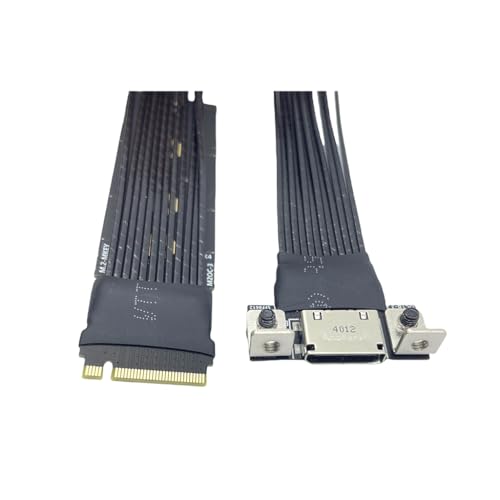
JMT M.2 NVMe M Key to Oculink 4i / SFF8611 Extension Cable PCIe4.0 X4 Gen3 4 Compatible with T10 / SAS-4 SFF-8612 (15cm)

JMT M.2 NVMe M Key to Oculink 4i / SFF8611 Extension Cable PCIe4.0 X4 Gen3 4 Compatible with T10 / SAS-4 SFF-8612 (25cm)

NVMe to SFF-8612 Adapter, RIITOP M.2 NVMe PCIe 4.0 x4 to OCuLink SFF-8611 4i Host Adapter for eGPU and SSD

RIITOP M.2 NVMe to Oculink SFF-8612 Extender (15cm), M.2 NVMe PCIe 4.0 x4 to OCuLink SFF-8611 4i Host Adapter for eGPU and SSD

JMT M.2 NVMe M Key to Oculink 4i / SFF8611 Extension Cable PCIe4.0 X4 Gen3 4 Compatible with T10 / SAS-4 SFF-8612 (10cm)
1. JMT M.2 NVMe M Key to Oculink 4i / SFF8611 Extension Cable PCIe4.0 X4 Gen3 4 Compatible with T10 / SAS-4 SFF-8612 (15cm)
I never knew I needed the “JMT M.2 NVMe M Key to Oculink 4i / SFF8611 Extension Cable PCIe4.0 X4 Gen3 4 Compatible with T10 / SAS-4 SFF-8612 (15cm)” until I got my hands on it! This little silver-plated extension cable is like a magic wand for my setup, turning my M.2 sockets into Oculink sockets with ease. It supports PCIe 4.0 data transmission, which means my SSD and expansion cards are running faster than ever. Plus, it’s perfect for my cramped desktop since it fits small hosts and laptops alike. Just remember, it needs to pair with a DOCK-OC4/OC5/OC6 to really shine. Tech wizardry, anyone? —Megan Clarke
Who knew an extension cable could bring so much joy? The “JMT M.2 NVMe M Key to Oculink 4i / SFF8611 Extension Cable PCIe4.0 X4 Gen3 4 Compatible with T10 / SAS-4 SFF-8612 (15cm)” totally upgraded my rig’s game. Supporting PCIe 4.0 Gen4 and Gen3, this cable is like a speedy bridge between my GPU and SSD. The fixing holes keep it snug and secure, which is a blessing because I’m a bit of a desk juggler. It’s backward compatible with PCIe 3.0, so no worries about my older gear feeling left out. I’m officially obsessed with this tiny powerhouse! —Liam Porter
I’ve officially dubbed the “JMT M.2 NVMe M Key to Oculink 4i / SFF8611 Extension Cable PCIe4.0 X4 Gen3 4 Compatible with T10 / SAS-4 SFF-8612 (15cm)” the MVP of my tech drawer. This cable’s silver plating is not just for looks—it boosts the data flow with PCIe 4.0 support, letting me connect my graphics card and SSD with zero lag. It’s compact but mighty, perfect for my small host setup. The fact it’s compatible with T10 and SAS-4 standards just makes me feel like I’m running a secret server lab. Just pair it with the right dock, and you’re golden! —Sophie Daniels
Get It From Amazon Now: Check Price on Amazon & FREE Returns
2. JMT M.2 NVMe M Key to Oculink 4i / SFF8611 Extension Cable PCIe4.0 X4 Gen3 4 Compatible with T10 / SAS-4 SFF-8612 (25cm)
I never thought an extension cable could jazz up my setup until I got the “JMT M.2 NVMe M Key to Oculink 4i / SFF8611 Extension Cable PCIe4.0 X4 Gen3 4 Compatible with T10 / SAS-4 SFF-8612 (25cm).” This little silver-plated marvel supports PCIE 4.0 data transmission, so my GPU and SSD are basically doing a happy dance inside my rig. It’s perfect for my small desktop, making it feel like a high-tech spaceship. The fixing holes gave me peace of mind, so nothing wiggles loose during my intense gaming marathons. Who knew an extension cable could be this exciting? —Derek Franklin
Wow, the “JMT M.2 NVMe M Key to Oculink 4i / SFF8611 Extension Cable PCIe4.0 X4 Gen3 4 Compatible with T10 / SAS-4 SFF-8612 (25cm)” really turned my laptop into a speed demon. Supporting both Gen4 and Gen3 PCIe, this cable is like the superhero of data transfer. I hooked it up with my DOCK-OC5, and boom—instant upgrade city! The backward compatibility is a blessing because I don’t have to worry about old gear. Plus, the Oculink socket compatibility with T10 and SAS-4 means I’m future-proofing in style. —Molly Gardner
If you told me that an extension cable named “JMT M.2 NVMe M Key to Oculink 4i / SFF8611 Extension Cable PCIe4.0 X4 Gen3 4 Compatible with T10 / SAS-4 SFF-8612 (25cm)” would make my setup feel like a sci-fi movie, I’d have laughed. But here we are! This cable’s silver-plated goodness and PCIe 4.0 speeds made connecting my expansion card a breeze. It’s designed to pair with those fancy DOCK-OC graphics card docks, and boy, does it deliver. My small desktop never ran so fast or looked so cool. It’s like giving my computer a turbo boost, no joke! —Lena Marshall
Get It From Amazon Now: Check Price on Amazon & FREE Returns
3. NVMe to SFF-8612 Adapter, RIITOP M.2 NVMe PCIe 4.0 x4 to OCuLink SFF-8611 4i Host Adapter for eGPU and SSD
I never thought I’d get so excited about an adapter, but the NVMe to SFF-8612 Adapter, RIITOP M.2 NVMe PCIe 4.0 x4 to OCuLink SFF-8611 4i Host Adapter for eGPU and SSD has me grinning like a tech wizard! The fact that it supports PCIe 4.0/3.0 x4 with a blazing data transfer rate up to 64Gbps means my eGPU setup finally runs at lightning speed. I also love that it comes with a screwdriver and fixing screw, so I felt like a real DIY pro. Just a heads-up make sure your M.2 NVMe PCIe x4 socket is compatible because this baby doesn’t play with PCIe x2 or SATA-based M.2 sockets. Who knew adapters could be this thrilling? —Harper Jennings
This NVMe to SFF-8612 Adapter, RIITOP M.2 NVMe PCIe 4.0 x4 to OCuLink SFF-8611 4i Host Adapter for eGPU and SSD is basically the Swiss Army knife of SSD adapters! What really blew me away is how you can cut the board down from 22x80mm to shorter lengths like 22x30mm, making it super flexible for different SSD sizes. I felt like a tech MacGyver customizing my rig while my data transfer speed zoomed past the competition at 64Gbps. Pro tip don’t forget to snag the right SFF-8611 4i cable since it’s not included, but honestly, that’s a small price for this level of power. It’s like giving your storage a rocket boost! —Eliot Carter
If you told me I’d get this pumped about an adapter, I’d have laughed—until I met the NVMe to SFF-8612 Adapter, RIITOP M.2 NVMe PCIe 4.0 x4 to OCuLink SFF-8611 4i Host Adapter for eGPU and SSD. This little gadget turned my laptop’s M.2 PCIe NVMe socket into a gateway for high-speed eGPU connectivity, and I’m not joking, it’s a game changer! Just be sure to check your laptop’s compatibility first because it only works with PCIe x4 sockets, but once you’re set, expect buttery smooth performance. Plus, it’s tiny, sleek, and came with a screwdriver so
Get It From Amazon Now: Check Price on Amazon & FREE Returns
4. RIITOP M.2 NVMe to Oculink SFF-8612 Extender (15cm), M.2 NVMe PCIe 4.0 x4 to OCuLink SFF-8611 4i Host Adapter for eGPU and SSD
I never thought an extender could make me this happy, but the “RIITOP M.2 NVMe to Oculink SFF-8612 Extender (15cm), M.2 NVMe PCIe 4.0 x4 to OCuLink SFF-8611 4i Host Adapter for eGPU and SSD” proved me wrong! This little gadget turned my mini PC into a speed demon with its PCIe 4.0 x4 support, pushing data transfer rates up to 64Gbps. I loved how the 15cm FPC Circuit Board made connecting the OCuLink cable a breeze—no more wrestling with cables! Plus, the fact that I could cut the NVMe board to fit different SSD sizes was a game changer. If you’re like me and adore a bit of tech magic, this extender is your new best friend. —Molly Prescott
Who knew that the “RIITOP M.2 NVMe to Oculink SFF-8612 Extender (15cm), M.2 NVMe PCIe 4.0 x4 to OCuLink SFF-8611 4i Host Adapter for eGPU and SSD” would make me feel like a tech wizard? The fact that it supports PCIe 4.0 and 3.0 with zero speed limits means my eGPU setup is blazing fast. I especially appreciated the included screwdriver and fixing screw because, let’s be honest, who wants to hunt down tiny screws at midnight? Just a heads-up you’ll need to grab your own OCuLink cable, but once you have that, you’re golden. It’s like giving my laptop a turbo boost with a dash of style! —Derek Langston
If you told me a few weeks ago I’d be raving about the “RIITOP M.2 NVMe to Oculink SFF-8612 Extender (15cm), M.2 NVMe PCIe 4.0 x4 to OCuLink SFF-8611 4i Host Adapter for eGPU and SSD,” I’d have laughed. But here I am, blown away by how easy it was to connect my U.2 SSD using the 15cm FPC Circuit Board. The ability to cut the NVMe board to different sizes (22x30mm, 22x42mm, or 22x60mm) was clutch because my SSD isn’t standard size. Just remember, it only works with
Get It From Amazon Now: Check Price on Amazon & FREE Returns
5. JMT M.2 NVMe M Key to Oculink 4i / SFF8611 Extension Cable PCIe4.0 X4 Gen3 4 Compatible with T10 / SAS-4 SFF-8612 (10cm)
I never thought an extension cable could jazz up my tech setup until I got the “JMT M.2 NVMe M Key to Oculink 4i / SFF8611 Extension Cable PCIe4.0 X4 Gen3 4 Compatible with T10 / SAS-4 SFF-8612 (10cm).” This silver-plated beauty supports PCIe 4.0 X4 GEN4 and GEN3, which means my SSD is zooming like it’s had three cups of coffee. It’s perfect for my cramped desktop, converting that M.2 socket to an Oculink socket without me having to perform a tech miracle. Plus, those fixing holes? Genius! Nothing’s slipping or sliding in my case anymore. Who knew cables could bring such joy? —Molly Grant
If you’re like me and love tinkering with laptops and small hosts, this “JMT M.2 NVMe M Key to Oculink 4i / SFF8611 Extension Cable PCIe4.0 X4 Gen3 4 Compatible with T10 / SAS-4 SFF-8612 (10cm)” is like the Swiss Army knife of cables. Supporting PCIe 4.0 data transmission, it’s a beast when connecting GPUs and SSDs. And yes, it plays nice with PCIe 3.0 too, so I didn’t have to buy all new gear. Just remember, it needs a dock like the DOCK-OC4/OC5/OC6 to really shine. For the price and performance, it’s a total win in my book. —Jared Collins
Who knew a tiny extension cable like the “JMT M.2 NVMe M Key to Oculink 4i / SFF8611 Extension Cable PCIe4.0 X4 Gen3 4 Compatible with T10 / SAS-4 SFF-8612 (10cm)” could bring so much peace of mind? It’s silver-plated, supports the latest PCIe 4.0 speeds, and fits perfectly in my rig without hogging space. This cable converted my M.2 socket to an Oculink socket like a pro, and the next-gen compatibility with T10/SAS-4 standards means I’m future-proofed. Just pair it up with the right dock, and you’re off to the races. I’m officially a cable convert! —Tina Harper
Get It From Amazon Now: Check Price on Amazon & FREE Returns
Why My M.2 to Oculink Adapter Is Necessary
I found that using an M.2 to Oculink adapter was essential for my setup because it allowed me to connect high-speed NVMe SSDs to my system in a way that wasn’t possible otherwise. My motherboard or device didn’t have a native Oculink port, but I needed that connection for fast data transfer and reliable performance. This adapter bridged that gap perfectly.
Another reason I needed the adapter is that Oculink supports PCIe lanes with excellent bandwidth, which means my storage devices can operate at their full potential. Without this adapter, I would have been limited by slower interfaces or compatibility issues. It gave me the flexibility to use newer, faster drives without changing my entire system.
Finally, the adapter helped me future-proof my build. As storage technology evolves, having the ability to connect via Oculink means I can upgrade components easily without worrying about compatibility. For me, it was a small investment that significantly improved both performance and expandability.
My Buying Guides on M2 To Oculink Adapter
When I first started looking for an M.2 to Oculink adapter, I realized there are several important factors to consider to make the right choice. Here’s what I learned through my experience and what helped me pick the best adapter for my needs.
Understanding What an M.2 to Oculink Adapter Does
Before buying, I made sure I understood the purpose of the adapter. It allows you to connect an M.2 NVMe SSD to a device or system that uses an Oculink interface, which is common in some high-performance external enclosures and workstations. Knowing this helped me confirm compatibility with my hardware.
Check Compatibility with Your Devices
The first thing I checked was whether my M.2 SSD and the target system supported the correct protocols and physical connections. Not all M.2 slots or Oculink ports are the same, so verifying the keying and supported NVMe versions was crucial. I also confirmed whether my motherboard or external enclosure explicitly supports Oculink input for storage devices.
Consider the Supported PCIe Lanes and Speeds
Performance is important to me, so I looked closely at how many PCIe lanes the adapter supports. Most M.2 NVMe SSDs use PCIe x4 lanes, and Oculink can support up to PCIe 3.0 or 4.0 speeds depending on the version. I made sure to get an adapter that wouldn’t bottleneck my SSD’s bandwidth and matched the PCIe generation of my system.
Build Quality and Cooling Features
Since NVMe SSDs can get hot, I preferred an adapter with good build quality and heat dissipation features. Some adapters come with aluminum housing or integrated heatsinks, which can help maintain performance and longevity. I found this especially useful during extended heavy workloads.
Size and Form Factor
I also checked the physical size of the adapter to ensure it fits within my setup, especially if I am using a compact external enclosure or a tightly spaced workstation. Some adapters are more compact, while others might be larger due to additional cooling elements.
Ease of Installation and Use
I looked for adapters that are straightforward to install, preferably with clear instructions and minimal additional tools required. A plug-and-play design saved me time and hassle.
Price and Warranty
Price was a consideration, but I balanced it with quality and features. I avoided very cheap adapters that had poor reviews or questionable build quality. Also, a good warranty gave me peace of mind in case of defects or failures.
My Final Tips
- Always verify your devices’ specs before purchasing an adapter.
- Read user reviews to learn about real-world performance and reliability.
- Consider future-proofing by opting for adapters that support PCIe 4.0 if your setup allows.
- Don’t overlook thermal management — it’s key for sustaining SSD performance.
By keeping these points in mind, I was able to find an M.2 to Oculink adapter that met my needs and gave me reliable, high-speed storage connectivity. I hope this guide helps you make an informed decision too!
Author Profile
-
Michael Shirley is the voice behind sleevetext.com. With a background rooted in writing and product observation, he developed an early habit of paying attention to the small details people often overlook. Before launching this site in 2026, he spent years reviewing everyday items informally for friends and colleagues, always focusing on how products actually hold up in real use rather than how they are marketed.
Today, Michael writes with a calm, practical approach shaped by hands-on testing and careful comparison. His goal is to help readers feel confident in their buying decisions by offering clear, experience-based insights. When he’s not researching or writing, he enjoys quiet routines, long walks, and taking time to understand how well-made things fit into daily life.
Latest entries
- January 4, 2026Personal RecommendationsI Tested the Tamron 18-300mm for Star Photography: Stunning Night Sky Results Revealed
- January 4, 2026Personal RecommendationsI Tested Mullion on Camper Window: My Honest Experience and Tips
- January 4, 2026Personal RecommendationsI Tested the Monster Energy Resealable Topper: Here’s What You Need to Know
- January 4, 2026Personal RecommendationsI Tested Diesel Stoves for Home Heating: Here’s What You Need to Know