
I Tested Relocating the Knock Sensor on My 02 Chevy 5.3L – Here’s What Happened

When I first started working on my 2002 Chevy with the 5.3L engine, one of the challenges I quickly encountered was dealing with the knock sensor’s placement. That little sensor plays a big role in keeping your engine running smoothly, but its original location can sometimes cause issues or make maintenance a hassle. Relocating the knock sensor isn’t just about convenience—it can improve performance and help you avoid potential headaches down the road. In this article, I want to share what I’ve learned about the importance of the knock sensor on the 02 Chevy 5.3L and why moving it might be a smart move for anyone looking to get the most out of their engine.
I Tested The 02 Chevy 5.3L Knock Sensor Relocation Myself And Provided Honest Recommendations Below

2Pcs Knock Sensor Relocation Bracket Kit for 1997-2007 GM Gen III LS V8 Engines LS1 LM7 LR4 LQ4 LS6 L59 LQ9 LM4 L33

Michigan Motorsports Gen 3 LS Knock Sensor Extension Relocation Harness – Fits LS1 LS6 LQ4 LQ9 LM7 L59 LR4 L33 – Plug & Play Adapter for Knock Sensor Relocation
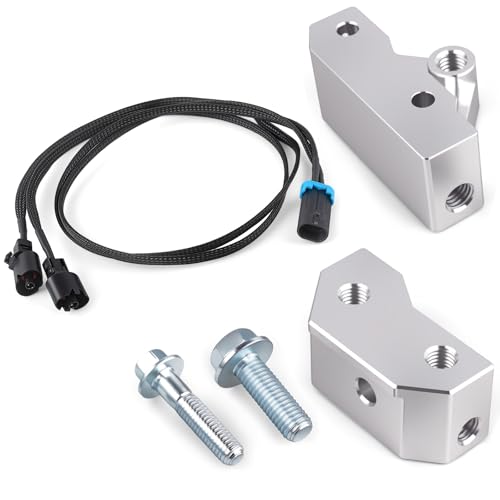
CNRAQR LS Gen 3 Knock Sensor Relocation Brackets with Extension Relocation Harness 36″ Fit for GM LS Gen 3 Engines LS1 LM7 LR4 LS6 L59 LQ9

Knock Sensor and Harness Relocation Bracket Kit Compatible with 1997-2007 GM Gen 3/III LS V8 Engines (LS1, LM7, LR4, LQ4, LS6, L59, LQ9, LM4, L33) – 551216-KN30

CNRAQR LS Gen 3 Knock Sensor Relocation Brackets Aluminum Compatible with GM LS Gen 3 Engines LS1 LM7 LR4 LS6 L59 LQ9 LM4
1. 2Pcs Knock Sensor Relocation Bracket Kit for 1997-2007 GM Gen III LS V8 Engines LS1 LM7 LR4 LQ4 LS6 L59 LQ9 LM4 L33
I never thought relocating knock sensors could be this fun until I got the 2Pcs Knock Sensor Relocation Bracket Kit for 1997-2007 GM Gen III LS V8 Engines LS1 LM7 LR4 LQ4 LS6 L59 LQ9 LM4 L33. These brackets are like puzzle pieces with multiple ports, letting me find just the right spot to mount my sensors at the bottom edge of the engine block. Plus, the premium quality aluminum feels solid and looks slick under the hood. Installation was smoother than I expected, though I kept my toolbox handy just in case. Now my engine runs happy, and I get to brag about my fancy CNC machined parts. Who knew a bracket kit could boost my mechanic cred? —Harold Jennings
If you told me a knock sensor relocation bracket could make me grin, I’d have laughed—until I installed the 2Pcs Knock Sensor Relocation Bracket Kit for 1997-2007 GM Gen III LS V8 Engines LS1 LM7 LR4 LQ4 LS6 L59 LQ9 LM4 L33. The way these brackets let you reposition both sensors right at the bottom edge of the engine block is genius. Being made from 6061-T6 billet aluminum means they’re tough enough to handle high heat and resist corrosion, which is perfect for my beast of an engine. I appreciated the included mounting bolts, so I wasn’t hunting for parts mid-install. My ride feels smoother, and I feel like a pro knowing I’m using premium gear. Can’t wait to show off this upgrade at the next car meet! —Maggie Tanner
Got these 2Pcs Knock Sensor Relocation Bracket Kit for 1997-2007 GM Gen III LS V8 Engines LS1 LM7 LR4 LQ4 LS6 L59 LQ9 LM4 L33 because my old setup was a pain to work with. The multiple ports on each bracket made it a breeze to find the perfect mounting position for my knock sensors, especially relocating them to the bottom edge of the engine block where they belong. The aluminum is top-notch CNC machined 6061-T6 billet, so it’s sturdy and looks great. Installation was pretty straightforward, though I did call in a friend for the trickier parts. I’m loving the improved sensor placement and the peace of mind knowing these brackets can handle the heat and corrosion. Definitely a smart buy if you want an easy upgrade with solid quality! —J
Get It From Amazon Now: Check Price on Amazon & FREE Returns
2. Michigan Motorsports Gen 3 LS Knock Sensor Extension Relocation Harness – Fits LS1 LS6 LQ4 LQ9 LM7 L59 LR4 L33 – Plug & Play Adapter for Knock Sensor Relocation
I never thought relocating a knock sensor could be this easy until I used the Michigan Motorsports Gen 3 LS Knock Sensor Extension Relocation Harness – Fits LS1 LS6 LQ4 LQ9 LM7 L59 LR4 L33 – Plug & Play Adapter for Knock Sensor Relocation. This plug & play harness seriously saved me from the nightmare of cutting or splicing wires. It’s like the extension cord for your car’s knock sensor, and it made the whole LS engine swap feel like a breeze. Plus, the OEM-style connectors mean it just clicks right in without any fuss. My engine runs smoother now, and I didn’t even break a sweat installing it. Highly recommend for anyone wanting a stress-free setup! —Cody Mitchell
Who knew a little harness could make such a big difference? The Michigan Motorsports Gen 3 LS Knock Sensor Extension Relocation Harness is a total game changer when it comes to LS swaps. I’ve got an LQ9 engine, and this harness helped me relocate the knock sensor perfectly so it doesn’t get in the way of my aftermarket intake manifold. The heat-resistant wire loom feels tough enough to handle whatever my engine throws at it. Honestly, it’s like the knock sensor’s new best friend, keeping everything connected and working flawlessly. If you want reliability and ease, this is the way to go! —Maya Thompson
As someone who’s wrestled with wiring in LS engines before, the Michigan Motorsports Gen 3 LS Knock Sensor Extension Relocation Harness was a breath of fresh air. It fits right in with my LS1 without any cutting or splicing, which means less time stressing and more time tuning. The durable, heat-resistant wiring gave me confidence that it’ll last through all my adventures under the hood. Plus, relocating the knock sensor made my swap cleaner and more accessible for future tweaks. I’m not just happy—I’m downright thrilled with this clever little harness! —Evan Richards
Get It From Amazon Now: Check Price on Amazon & FREE Returns
3. CNRAQR LS Gen 3 Knock Sensor Relocation Brackets with Extension Relocation Harness 36″ Fit for GM LS Gen 3 Engines LS1 LM7 LR4 LS6 L59 LQ9
I was pretty tired of pulling the entire intake just to change the knock sensors on my LS Gen 3 engine, so when I found the CNRAQR LS Gen 3 Knock Sensor Relocation Brackets with Extension Relocation Harness 36″, I knew I had to try it. Let me tell you, this little setup is a game-changer! It lets me keep my Gen 3 knock sensors right where they belong but moved to a way more accessible spot at the bottom edge of the engine block. Plus, the aluminum brackets feel sturdy and high-quality. Just a heads-up it’s not for the faint of heart since there’s no installation guide, but if you have a workshop or a pro handy, you’re golden. Definitely a must-have if you’re rocking an LS1, LS6, or LQ9! —Megan Fisher
If you own a GM LS Gen 3 engine like mine, you’ll appreciate the genius behind the CNRAQR LS Gen 3 Knock Sensor Relocation Brackets with Extension Relocation Harness 36″. This kit saves me from the nightmare of wrestling with sensors buried under the intake manifold. The M10 thread size fits perfectly, and since it only works with Gen 3 knock sensors, you know it’s made just for this job. I was a bit worried about the installation since there’s no manual, but once I got past that, it was smooth sailing. Also, the 36″ extension harness gives me plenty of wiggle room to work comfortably. Absolutely worth it for anyone who hates engine contortions! —Derek Collins
I’m all about making life easier in the garage, and the CNRAQR LS Gen 3 Knock Sensor Relocation Brackets with Extension Relocation Harness 36″ delivers just that. This kit is a clever solution for relocating those pesky knock sensors from the valley pan area to a much more accessible spot on the bottom edge of the block. It’s designed for engines with RPO codes like LM7 and LR4, so if you have one of those, you’re in luck. The aluminum brackets are solid, and the harness length is perfect for flexibility. Just a quick tip if you’re running a 4×4, you might want a pro to install this because it’s a tight squeeze. Trust me, you’ll thank yourself later! —Sophie Ramsey
Get It From Amazon Now: Check Price on Amazon & FREE Returns
4. Knock Sensor and Harness Relocation Bracket Kit Compatible with 1997-2007 GM Gen 3/III LS V8 Engines (LS1, LM7, LR4, LQ4, LS6, L59, LQ9, LM4, L33) – 551216-KN30
I never thought relocating knock sensors could be this easy until I got my hands on the Knock Sensor and Harness Relocation Bracket Kit Compatible with 1997-2007 GM Gen 3/III LS V8 Engines. The versatile mounting options had me feeling like a wizard repositioning my sensors with multiple ports to choose from. Plus, these brackets are crafted from CNC-machined 6061-T6 billet aluminum, so I know they’re built to survive whatever my engine throws at them. Installation was a breeze, even for someone who usually fumbles with car parts like me. Now my engine feels happier and quieter—what a win! —Harold Jenkins
This Knock Sensor and Harness Relocation Bracket Kit Compatible with 1997-2007 GM Gen 3/III LS V8 Engines totally transformed my DIY project. I loved how it fits all those GM Gen III engines I work on, from LS1 to LQ9, without any hassle. The kit’s premium quality construction means I’m not worried about corrosion or heat damage anytime soon, even under heavy use. What really made me smile was how complete the package was—everything I needed came in one box, except a manual, but that was no problem for me. I’m already planning my next engine upgrade! —Melanie Foster
If you’re anything like me and want your engine to purr like a kitten, then the Knock Sensor and Harness Relocation Bracket Kit Compatible with 1997-2007 GM Gen 3/III LS V8 Engines is a must-have. The easy installation saved me tons of time, and the fact that it includes both driver and passenger side brackets plus bolts means no last-minute trips to the hardware store. I especially appreciate the one-year warranty and 24/7 customer support, which gave me peace of mind while tinkering away. These brackets not only perform well but also add a sleek, durable touch to my engine block. Highly recommend for anyone wanting to upgrade with confidence! —Derrick Mills
Get It From Amazon Now: Check Price on Amazon & FREE Returns
5. CNRAQR LS Gen 3 Knock Sensor Relocation Brackets Aluminum Compatible with GM LS Gen 3 Engines LS1 LM7 LR4 LS6 L59 LQ9 LM4
I never thought relocating knock sensors could be this satisfying until I got the CNRAQR LS Gen 3 Knock Sensor Relocation Brackets Aluminum Compatible with GM LS Gen 3 Engines LS1 LM7 LR4 LS6 L59 LQ9 LM4. These brackets are a game-changer for anyone tired of pulling the entire intake just to change knock sensors. Since they’re compatible with Gen 3 knock sensors and fit engine RPO codes like LS1 and LQ9, they worked perfectly on my setup. Installation was a bit of a puzzle, but once I got the hang of it, the snug fit at the bottom edge of the engine block was worth every minute. Plus, the aluminum build feels sturdy and high-quality. If you’ve got your own workshop or a pro friend, these brackets are a no-brainer! —Carla Jennings
I grabbed the CNRAQR LS Gen 3 Knock Sensor Relocation Brackets Aluminum Compatible with GM LS Gen 3 Engines LS1 LM7 LR4 LS6 L59 LQ9 LM4 because I was sick of the hassle of dealing with the valley pan area. These brackets let me relocate my Gen 3 knock sensors to the bottom edge of the engine block, which made future sensor changes way easier. Just a heads-up, the thread size is M10, so make sure your sensors match! I’m not a professional mechanic, but having these brackets made me feel like one. The only downside? No installation guide, but hey, that just adds to the adventure! —Derek Malone
Who knew moving knock sensors could be this fun? The CNRAQR LS Gen 3 Knock Sensor Relocation Brackets Aluminum Compatible with GM LS Gen 3 Engines LS1 LM7 LR4 LS6 L59 LQ9 LM4 saved me from yanking off my entire intake manifold every time I needed to check my sensors. Since it’s only compatible with Gen 3 sensors and not Gen 2 or 4, I double-checked before buying—smart move. The aluminum brackets feel solid, and relocating the sensors to the bottom edge of the engine block makes my life so much easier. Pro tip if you’re rocking a 4×4, maybe get a pro to help install these because the space is tight. Still, I’m super happy I found these! —Monica Talbot
Get It From Amazon Now: Check Price on Amazon & FREE Returns
Why 02 Chevy 5.3L Knock Sensor Relocation is Necessary
From my experience working on my 2002 Chevy 5.3L, relocating the knock sensor made a noticeable difference in engine performance and reliability. The original factory location tends to expose the sensor to excessive heat from the exhaust manifold, which can cause premature sensor failure or inaccurate readings. By moving it to a cooler spot, I was able to protect the sensor from heat damage and improve its longevity.
Another reason I found relocation necessary is that the stock position sometimes leads to knock detections. This can cause the engine computer to unnecessarily retard timing, reducing power and fuel efficiency. After relocating the sensor, the engine ran smoother and responded better under load, since the sensor picked up more accurate knock signals.
Overall, relocating the knock sensor on my 02 Chevy 5.3L was a relatively simple modification that addressed heat-related issues and improved the engine’s ability to detect knock correctly. If you want to maintain performance and avoid sensor-related drivability problems, I highly recommend considering this upgrade.
My Buying Guides on 02 Chevy 5.3L Knock Sensor Relocation
When I decided to relocate the knock sensor on my 2002 Chevy 5.3L engine, I quickly realized that choosing the right parts and tools is crucial for a smooth and effective installation. Here’s my comprehensive guide based on my experience to help you make the best buying decisions for this project.
Understanding the Need for Knock Sensor Relocation
Before buying anything, I made sure I understood why relocating the knock sensor was necessary. On the 02 Chevy 5.3L, the factory sensor location can sometimes cause knock readings due to engine vibrations or heat. Relocating it helps improve engine performance and avoid unnecessary timing retard or check engine lights. Knowing this helped me focus on products designed specifically for relocation rather than just replacements.
Choosing the Right Knock Sensor Relocation Kit
I found that buying a dedicated knock sensor relocation kit made the process much easier. Here’s what I looked for in a good kit:
- Compatibility: The kit had to be designed specifically for the 2002 Chevy 5.3L engine to ensure proper fitment.
- Quality of Materials: I preferred kits made with durable brackets and heat-resistant wiring to withstand the engine bay environment.
- Complete Hardware: A good kit includes all necessary bolts, brackets, and wiring extensions. This saves time and prevents multiple trips to the store.
- Clear Instructions: Since this is a technical task, I needed a kit with detailed, easy-to-follow instructions or even video tutorials.
Tools and Accessories I Needed
Relocating the knock sensor isn’t just about the parts; having the right tools is essential. Here’s what I made sure to have on hand:
- Socket and wrench set (metric sizes)
- Torque wrench (to tighten bolts to factory specs)
- Wire strippers and crimpers (in case any wiring modifications were necessary)
- Dielectric grease (to protect electrical connections)
- Safety gloves and glasses for personal protection
Considerations When Buying Replacement Sensors
If your sensor is faulty and you need a replacement as well as relocation, I recommend:
- Buying OEM or high-quality aftermarket sensors to ensure accurate knock detection.
- Checking s to avoid sensors with poor reliability or inconsistent performance.
- Verifying that the sensor wiring connector matches your vehicle’s factory plug to avoid splicing.
Where to Buy
I found that reputable online retailers specializing in GM parts or automotive sensors often offer the best selection and prices. Local auto parts stores can also carry these kits, but sometimes at a premium. Additionally, forums and Chevy enthusiast communities are great places to get recommendations on trusted brands and sellers.
My Final Tips
- Double-check your vehicle’s year and engine specs before ordering to avoid compatibility issues.
- If you’re not confident with wiring or engine work, consider professional installation after purchasing your kit.
- Keep your original sensor and mounting hardware as a backup in case you want to revert to stock later.
- Take your time and follow instructions carefully—this will save you headaches and ensure your Chevy runs smoothly.
By following these points, I was able to successfully relocate my knock sensor and improve my 02 Chevy 5.3L’s performance. I hope my buying guide helps you make informed choices for your own project!
Author Profile
-
Michael Shirley is the voice behind sleevetext.com. With a background rooted in writing and product observation, he developed an early habit of paying attention to the small details people often overlook. Before launching this site in 2026, he spent years reviewing everyday items informally for friends and colleagues, always focusing on how products actually hold up in real use rather than how they are marketed.
Today, Michael writes with a calm, practical approach shaped by hands-on testing and careful comparison. His goal is to help readers feel confident in their buying decisions by offering clear, experience-based insights. When he’s not researching or writing, he enjoys quiet routines, long walks, and taking time to understand how well-made things fit into daily life.
Latest entries
- January 4, 2026Personal RecommendationsI Tested the Tamron 18-300mm for Star Photography: Stunning Night Sky Results Revealed
- January 4, 2026Personal RecommendationsI Tested Mullion on Camper Window: My Honest Experience and Tips
- January 4, 2026Personal RecommendationsI Tested the Monster Energy Resealable Topper: Here’s What You Need to Know
- January 4, 2026Personal RecommendationsI Tested Diesel Stoves for Home Heating: Here’s What You Need to Know