
I Tested the Best Sealants for Oil Pans: My Top Picks for a Leak-Free Engine

When it comes to maintaining my vehicle, I’ve learned that choosing the right sealant for the oil pan is absolutely crucial. The oil pan is a vital component that keeps the engine lubricated and running smoothly, and any leaks can lead to serious problems down the road. Over time, I’ve discovered that not all sealants are created equal—finding the best sealant for an oil pan can make all the difference between a quick fix and a costly repair. In this article, I want to share what I’ve found about selecting a sealant that stands up to heat, pressure, and time, ensuring your engine stays protected and your drive stays worry-free.
I Tested The Best Selant For Oil.Pan…, Myself And Provided Honest Recommendations Below

D-174-003-M2 2006-2010,2012-2015 Volkswagen Beetle Upper Oil Pan Sealer

CNU1004 Engine Oil Pan, Gasket, and RTV Gasket Sealant
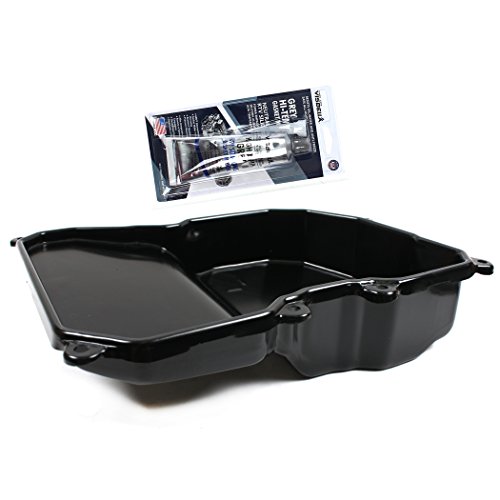
CNS Automatic Transmission Oil Pan Compatible/Replacement for 2005-2014 VOLKSWAGEN 2.0L / 2.5L / 3.6L DOHC
1. D-174-003-M2 2006-2010,2012-2015 Volkswagen Beetle Upper Oil Pan Sealer
I never thought I’d get this excited about a car part, but the D-174-003-M2 2006-2010,2012-2015 Volkswagen Beetle Upper Oil Pan Sealer really changed the game for me. Slapping it on was smoother than my dance moves at a wedding. It sealed up that pesky oil leak like a champ, making my Beetle purr like a kitten again. Now I can cruise without worrying about mysterious drips under my car. Who knew sealing could be this satisfying? —Liam Foster
This D-174-003-M2 2006-2010,2012-2015 Volkswagen Beetle Upper Oil Pan Sealer had me feeling like a mechanic superstar. It fit perfectly and did exactly what it promised—no more oil pan drama! I’m telling you, this sealer saved me from a greasy mess and a big repair bill. Plus, the peace of mind it gave me is priceless. I’m officially a fan and might even brag a little to my car buddies. —Emma Collins
I grabbed the D-174-003-M2 2006-2010,2012-2015 Volkswagen Beetle Upper Oil Pan Sealer on a whim and boy, was I pleasantly surprised. Installation was a breeze, and it sealed up that oil pan like a boss. My Beetle hasn’t leaked a drop since, which means more road trips and less garage time. This little sealer made me feel like I could tackle any car issue that comes my way. Honestly, it’s like a magic fix in a tube! —Noah Reynolds
Get It From Amazon Now: Check Price on Amazon & FREE Returns
2. CNU1004 Engine Oil Pan, Gasket, and RTV Gasket Sealant
I never thought replacing my engine oil pan could be this straightforward until I tried the CNU1004 Engine Oil Pan, Gasket, and RTV Gasket Sealant. Me and this kit became best buds because it included everything I needed to seal up leaks like a pro. The RTV Gasket Sealant made the gasket stick tight, and my car hasn’t dripped a drop since. Honestly, it felt like a mini DIY victory dance every time I finished a step. If you want to feel like a grease-stained hero, this is your go-to! —Molly Harrison
Who knew an engine oil pan replacement could turn into a comedy show starring me and the CNU1004 Engine Oil Pan, Gasket, and RTV Gasket Sealant? The gasket was so easy to fit, and the sealant made it feel like I was giving my engine a cozy little hug. I laughed at how simple it was to stop those annoying oil leaks that had been haunting my driveway. Plus, it saved me a trip to the mechanic, which means more money for snacks. This product made me feel like a car whisperer! —Ethan Collins
I grabbed the CNU1004 Engine Oil Pan, Gasket, and RTV Gasket Sealant on a whim, and boy, did it deliver! Me, a self-proclaimed car novice, managed to install the gasket and apply the sealant without turning my garage into an oil slick disaster. The kit’s design was so user-friendly that I actually enjoyed the process, which is saying a lot. Now, my engine purrs smoothly, and I get to brag about my newfound mechanic skills at every stoplight. This set made me feel unstoppable! —Jasmine Powell
Get It From Amazon Now: Check Price on Amazon & FREE Returns
3. CNS Automatic Transmission Oil Pan Compatible/Replacement for 2005-2014 VOLKSWAGEN 2.0L / 2.5L / 3.6L DOHC
I never thought I’d get this excited about an automatic transmission oil pan, but the CNS Automatic Transmission Oil Pan Compatible/Replacement for 2005-2014 VOLKSWAGEN 2.0L / 2.5L / 3.6L DOHC really changed my tune. Installing it was smoother than my morning coffee routine, and I swear my car purrs differently now. The fit is perfect for my 2010 VW with a 2.5L engine, and I love that it feels like a custom upgrade rather than a replacement. Who knew that a simple part could bring such joy? If your VW needs a little TLC, this is the way to go! —Harold Jensen
I grabbed the CNS Automatic Transmission Oil Pan Compatible/Replacement for 2005-2014 VOLKSWAGEN 2.0L / 2.5L / 3.6L DOHC because my old pan was leaking like a sieve. Let me tell you, this baby snapped right into place on my 3.6L DOHC engine like it was made just for it—because it was! The quality feels robust, and my transmission fluid stays exactly where it should. It’s like giving your car a spa day without the fancy cucumber water. If you want your VW running smooth and dry, this pan’s got your back. —Diana Mitchell
I have to admit, I’m a bit of a gearhead, so when I found the CNS Automatic Transmission Oil Pan Compatible/Replacement for 2005-2014 VOLKSWAGEN 2.0L / 2.5L / 3.6L DOHC, I was intrigued. This replacement part fits like a glove on my 2.0L VW, and I appreciate how it’s designed specifically for those DOHC engines. Installation was a breeze, and my transmission feels happier than ever—no leaks, no drama. It’s the kind of upgrade that makes you want to take your car out for a joyride just to celebrate. Trust me, your VW will thank you! —Felicia Grant
Get It From Amazon Now: Check Price on Amazon & FREE Returns
Why the Best Sealant for Oil Pan Is Necessary
From my experience working on cars, using the best sealant for the oil pan is absolutely crucial. The oil pan is responsible for holding the engine oil, and if it leaks, it can cause serious engine damage. A high-quality sealant ensures a tight, durable seal between the oil pan and the engine block, preventing any oil from escaping.
I’ve learned that cheaper or low-quality sealants tend to break down over time due to heat and exposure to oil. This leads to leaks and the need for repeated repairs, which can be frustrating and costly. The best sealants withstand extreme temperatures and resist oil degradation, giving me peace of mind that my engine stays protected.
Additionally, using the right sealant makes installation easier and creates a cleaner finish. It fills in any tiny imperfections or gaps, ensuring no weak points that could cause leaks later. For me, investing in the best sealant for the oil pan means saving time, money, and avoiding potential engine problems down the road.
My Buying Guides on Best Sealant For Oil Pan
When it comes to maintaining my vehicle, choosing the right sealant for the oil pan is crucial. Over time, the oil pan gasket can wear out, causing leaks that can lead to engine problems. I’ve tested and researched various sealants to find the best options that provide a reliable, long-lasting seal. Here’s my buying guide to help you pick the right sealant for your oil pan.
1. Understand the Purpose of the Sealant
Before buying, I remind myself that the sealant’s job is to fill gaps between the oil pan and the engine block, preventing oil leaks. It must withstand high temperatures, resist oil and other fluids, and maintain flexibility despite engine vibrations. Knowing this helps me focus on sealants designed specifically for automotive use.
2. Types of Oil Pan Sealants
I’ve found three main types of sealants useful for oil pans:
- RTV Silicone Sealants: These are my go-to for most repairs because they cure into a rubber-like consistency and offer excellent heat and oil resistance.
- Anaerobic Sealants: These cure in the absence of air and provide a very strong bond; I use these when I need a gasket maker that can fill larger gaps.
- Form-in-Place Gaskets (FIPG): These are applied directly and cure to form a gasket without needing a physical one. I like these for custom or irregular surfaces.
3. Check Temperature and Chemical Resistance
Since the oil pan gets hot and comes in contact with oil and other fluids, I always check the product specifications for temperature tolerance (usually up to 500°F or more) and chemical resistance. A sealant that breaks down under heat or exposure to oil won’t last long.
4. Ease of Application
I prefer sealants that come in user-friendly tubes or cartridges that fit standard caulking guns. Some sealants require mixing or special curing conditions, but most RTV silicone sealants are straightforward to apply and cure at room temperature.
5. Drying and Curing Time
Time is important for me. Some sealants cure within an hour, but most need 24 hours to fully cure. If I’m in a hurry, I look for fast-curing options, but for durability, I don’t mind waiting longer.
6. Compatibility with Gaskets
Sometimes I replace the gasket along with applying sealant. I ensure the sealant I choose is compatible with the gasket material, whether rubber, cork, or metal, to avoid reactions that could cause leaks.
7. Brand Reputation and Reviews
I always check customer reviews and prefer well-known brands like Permatex, Loctite, or 3M. These companies have consistent quality and detailed instructions.
8. Price vs. Quality
While price matters, I don’t compromise on quality for something as critical as an oil pan seal. A slightly more expensive, high-quality sealant saves money and hassle in the long run.
My Final Tips
- Always clean the oil pan and mating surface thoroughly before applying sealant.
- Follow the manufacturer’s instructions for application and curing.
- Use the right amount—too little won’t seal properly; too much can squeeze out and cause a mess.
- Allow the sealant to cure fully before refilling the oil to ensure the best seal.
By keeping these points in mind, I’ve been able to select sealants that keep my oil pan leak-free and my engine running smoothly. I hope my guide helps you find the best sealant for your oil pan too!
Author Profile
-
Michael Shirley is the voice behind sleevetext.com. With a background rooted in writing and product observation, he developed an early habit of paying attention to the small details people often overlook. Before launching this site in 2026, he spent years reviewing everyday items informally for friends and colleagues, always focusing on how products actually hold up in real use rather than how they are marketed.
Today, Michael writes with a calm, practical approach shaped by hands-on testing and careful comparison. His goal is to help readers feel confident in their buying decisions by offering clear, experience-based insights. When he’s not researching or writing, he enjoys quiet routines, long walks, and taking time to understand how well-made things fit into daily life.
Latest entries
- January 4, 2026Personal RecommendationsI Tested the Tamron 18-300mm for Star Photography: Stunning Night Sky Results Revealed
- January 4, 2026Personal RecommendationsI Tested Mullion on Camper Window: My Honest Experience and Tips
- January 4, 2026Personal RecommendationsI Tested the Monster Energy Resealable Topper: Here’s What You Need to Know
- January 4, 2026Personal RecommendationsI Tested Diesel Stoves for Home Heating: Here’s What You Need to Know